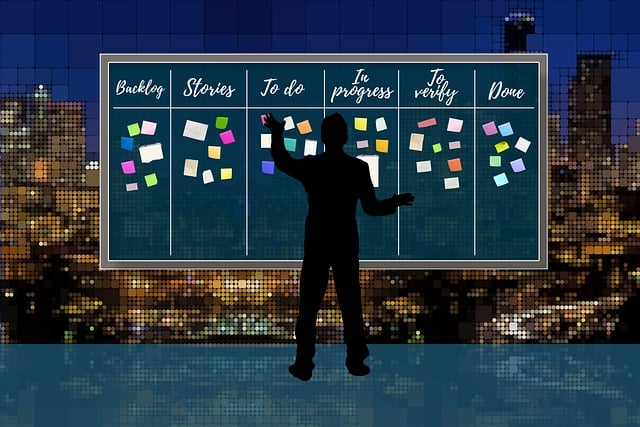
Employee-driven improvement leverages 5S training, a lean management framework, for significant gains in productivity, quality, and engagement. The five steps: Sort, Set in Order, Shine, Standardize, Sustain, transform chaotic workspaces into organized environments, fostering continuous learning and waste reduction. Proven successful in various industries, this method has shown up to 20% waste reduction, 18% output increase, and increased employee satisfaction within six months. Organizations should involve all employees, conduct regular workshops, and foster a culture of continuous improvement for sustainable process standardization and competitive advantage.
In today’s competitive business landscape, employee engagement and continuous improvement are key to sustained success. However, driving organizational change from the ground up can be challenging. Many companies struggle to implement effective strategies that empower employees to take ownership of their work and contribute to overall process enhancement. This article introduces a powerful solution: an Employee-driven Improvement Model (EIM) integrated with 5S training and lean management principles. By focusing on workplace organization, process standardization, and continuous learning, EIM fosters a culture where every employee becomes an expert, driving natural improvements that enhance efficiency and productivity.
- Understanding Employee-Driven Improvement: A Collaborative Approach
- The Power of 5S Training in Workplace Organization
- Lean Management Principles for Continuous Process Improvement
- Standardization: Key to Efficient Workflows and Reduced Waste
- Fostering a Culture of Continuous Learning and Engagement
- Implementing 5S as a Sustainable Framework for Organizational Success
Understanding Employee-Driven Improvement: A Collaborative Approach

Employee-driven improvement is a collaborative approach where employees actively participate in identifying and implementing process enhancements. This model shifts the focus from top-down initiatives to bottom-up innovation, leveraging the collective wisdom and insights of the workforce. By fostering a culture of continuous learning and improvement, organizations can achieve significant gains in productivity, quality, and employee engagement. One effective framework that underpins this approach is 5S training, derived from lean management principles, which includes Sort, Set in Order, Shine, Standardize, and Sustain—a powerful tool for workplace organization and process standardization.
Implementing a 5S continuous improvement strategy involves several key steps. Initially, employees work together to sort through workspace areas, removing unnecessary items and keeping only what is essential. This step not only enhances visual order but also clarifies priorities. Next, setting things in order involves organizing tools, materials, and equipment to facilitate efficient workflow. “Shine” encourages regular cleaning and maintenance, ensuring a safe and ergonomically sound environment. Standardization comes into play with the 5S methodology, where processes are documented and made consistent across departments or even the entire organization. This step ensures that improvements are not temporary fixes but become part of the natural workflow. Finally, sustaining these practices requires ongoing training, regular audits, and continuous feedback from employees to ensure long-term adherence and further refinement.
For instance, a manufacturing company adopting 5S found that streamlining production processes led to a 20% reduction in waste and an 18% increase in output per employee over six months. Moreover, employee satisfaction surveys revealed heightened morale and a sense of ownership among staff, attributing these gains to the collaborative nature of the 5S implementation. This example underscores the tangible benefits of employee-driven improvement models when coupled with structured training like 5S. Organizations can harness these strategies to drive cultural shifts, enhancing not only operational efficiency but also fostering an environment where employees feel valued and empowered.
The Power of 5S Training in Workplace Organization

The power of 5S training lies in its ability to transform chaotic workspaces into lean, highly organized environments, a cornerstone of successful continuous improvement models like those inspired by Japanese manufacturing giants. This methodology, rooted in lean management principles, involves implementing five fundamental practices—sort, set in order, shine, standardize, and sustain—to achieve process standardization and optimal workplace organization. Each step acts as a building block, fostering an atmosphere conducive to enhanced productivity, reduced waste, and improved employee engagement.
For instance, a manufacturing company struggling with inventory management can leverage 5S training to tackle the issue. Initially, “sort” involves categorizing and discarding unnecessary items, eliminating clutter and improving accessibility. Subsequently, “set in order” ensures tools and materials are arranged logically, reducing time wasted in searching. The “shine” phase promotes regular cleaning, maintaining an esthetically pleasing environment that facilitates efficiency. “Standardize” establishes clear protocols for maintaining order, ensuring new employees can quickly adapt. Finally, “sustain” emphasizes ongoing commitment to these practices through team accountability and periodic audits.
A study by McKinsey & Company revealed that companies adopting lean management principles, including 5S training, experienced significant improvements in operational efficiency, with some achieving up to a 20% increase in productivity within a year. This transformation is not merely aesthetic; it leads to tangible benefits such as reduced production times, decreased defect rates, and improved employee satisfaction. Organizations like Toyota have long championed these practices, demonstrating their effectiveness in driving continuous improvement across diverse industries.
To implement 5S training effectively, managers should start by involving all employees in the process, ensuring buy-in at every level. Regular workshops and training sessions can educate staff on the 5S principles and their importance. Establishing clear goals and metrics for each phase is crucial, allowing teams to track progress and measure success. Additionally, fostering a culture of continuous improvement where employee suggestions are welcomed can further enhance the impact of 5S training, creating an environment where everyone takes pride in maintaining an organized, efficient workspace.
Lean Management Principles for Continuous Process Improvement
Employee-driven improvement models, such as lean management principles, have transformed organizational dynamics by empowering employees to actively participate in process enhancement. Lean management, rooted in Japanese production methods, emphasizes the elimination of waste and the optimization of workflows. This approach aligns perfectly with continuous process improvement initiatives, fostering a culture where every team member contributes to efficiency and quality.
At the heart of lean management lies the 5S training framework—Sort, Set in Order, Shine (clean), Standardize, Sustain. This systematic approach drives workplace organization by encouraging employees to systematically arrange their work areas, maintain order, and continuously improve processes. For instance, a manufacturing facility implementing 5S found that organized workstations reduced setup times by 20%, leading to increased production efficiency. Process standardization, achieved through 5S, naturally evolves into ongoing continuous improvement, where standardized procedures serve as the foundation for further enhancements.
Beyond initial implementation, lean management’s true value emerges through its ability to engage employees at all levels. When workers actively participate in identifying inefficiencies and proposing solutions, it fosters a sense of ownership and commitment to quality. This collaboration can lead to groundbreaking innovations, as seen in many successful case studies within automotive and healthcare industries. However, for effective lean implementation, organizations must invest in training and create an environment where employees feel empowered to voice ideas without fear of reprisal. Regular audits and continuous feedback loops further solidify these principles, ensuring that process improvements remain sustainable over time.
Standardization: Key to Efficient Workflows and Reduced Waste

In the realm of employee-driven improvement models, standardization stands as a cornerstone for achieving efficient workflows and significantly reducing waste. This principle is fundamentally interwoven with lean management principles and workplace organization strategies, such as the renowned 5S training methodology. By implementing process standardization, organizations can create an environment where tasks are streamlined, resources are optimized, and inefficiencies are eliminated—a formula for enhanced productivity and quality.
The 5S continuous improvement framework, derived from Japanese lean management practices, provides a structured approach to workplace organization. The ‘5S’ refers to Sort (organize items), Set in Order (arrange for easy access), Shine (maintain cleanliness), Standardize (establish consistent procedures), and Sustain (continuously improve). Each step is crucial, but standardization, in particular, ensures that these improvements are sustained over time. This is achieved by creating a culture of adherence to established processes, where every employee understands their role in maintaining order and efficiency. For instance, a manufacturing floor standardized according to 5S principles would see employees regularly reviewing and adjusting their work areas, ensuring tools and materials are readily available, and implementing consistent quality checks—all contributing to reduced waste and improved productivity.
Data supports the effectiveness of standardized processes. A study by McKinsey & Company revealed that companies with high standard deviation in performance across business units often struggle with operational inefficiencies, costing them significant resources. Conversely, those with more standardized processes tend to exhibit greater consistency and lower operational costs. To implement process standardization naturally, organizations should begin by assessing existing workflows and identifying areas of improvement. Providing comprehensive 5S training for all employees is essential, as it equips them with the knowledge and skills to actively participate in maintaining and enhancing workplace organization. Regular audits and continuous feedback loops further ensure that standardization remains a living, breathing aspect of the organizational culture.
Fostering a Culture of Continuous Learning and Engagement

In today’s rapidly evolving business landscape, fostering a culture of continuous learning and engagement is not just desirable—it’s imperative for sustained success. An employee-driven improvement model leverages the collective wisdom and creativity of the workforce to drive innovation and efficiency. At the heart of this approach lies a robust framework that combines lean management principles with structured training methods like 5S, enabling organizations to achieve both operational excellence and employee empowerment.
The integration of 5S training into everyday workplace practices is a powerful strategy for cultivating a culture of continuous improvement. 5S—an acronym for Sort, Set in Order, Shine, Standardize, and Sustain—is a Japanese organizational method that emphasizes thorough workplace organization and process standardization. By teaching employees these principles, organizations not only improve efficiency but also create an environment where every individual is encouraged to identify and eliminate waste, enhance productivity, and continuously seek improvement opportunities. For instance, a manufacturing facility might use 5S to streamline production lines, reducing cycle times by 20% while increasing employee engagement through hands-on involvement in the optimization process.
Furthermore, leveraging lean management principles, which focus on eliminating waste and maximizing value, allows organizations to identify and address non-value-added activities. This collaborative approach encourages employees to participate actively in identifying inefficiencies and proposing solutions, fostering a sense of ownership and accountability. Data from successful implementations suggest that companies adopting lean-5S practices can achieve significant cost savings, improved quality, and increased employee satisfaction. For instance, a retail chain employing lean management principles reported a 30% reduction in inventory waste and a 15% increase in sales productivity within six months of implementation.
To instill a true culture of continuous learning and engagement, organizations should implement structured training programs, regular feedback sessions, and open communication channels. Actionable advice includes conducting periodic workshops to refresh 5S knowledge, encouraging cross-functional collaboration through “lightweight” project teams, and providing regular opportunities for employees to share best practices. By embedding these practices into the organizational DNA, companies can ensure that continuous improvement becomes not just a tactic but an integral part of their competitive advantage.
Implementing 5S as a Sustainable Framework for Organizational Success
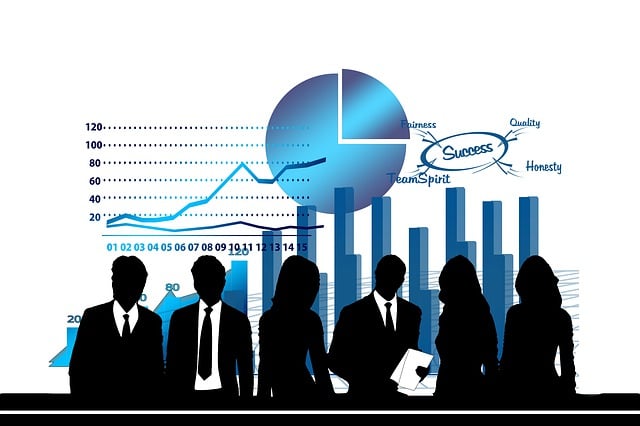
The implementation of a robust employee-driven improvement model is pivotal for organizations aiming for long-term success and sustainability. Among various methodologies, the 5S framework has emerged as an effective tool to enhance workplace organization and foster continuous improvement. Originating from lean management principles, 5S training involves the systematic organization and standardization of work processes, creating a safer, more efficient, and productive environment. This approach, which includes sorting, setting in order, shining (or cleaning), standardizing, and sustaining, has been successfully adopted across industries as a means to drive operational excellence.
A key advantage of 5S is its ability to encourage employee engagement and ownership of improvement initiatives. By involving the workforce from the ground up, organizations can tap into collective intelligence and unlock hidden potential. For instance, a manufacturing plant conducting regular 5S training sessions found that line workers identified over 30% of waste and inefficiencies during the initial audits, leading to significant process improvements. This collaborative approach not only enhances problem-solving skills but also cultivates a culture of continuous learning and innovation within the organization.
To ensure sustainability, 5S must be integrated into an organization’s DNA rather than treated as a one-off project. Continuous improvement should become a natural part of daily operations, with regular reviews and updates to adapt to changing business needs. For example, a healthcare facility implemented 5S in their ward management, resulting in reduced wait times for patients and improved staff efficiency. Through ongoing training and engagement, the hospital maintained these gains over an extended period, demonstrating that when properly adopted, 5S can lead to substantial and lasting improvements in workplace organization and overall organizational success.