
The 5S methodology, a Japanese lean management tool, promotes workplace organization and efficiency through five core principles: Sort, Set in Order, Shine, Standardize, Sustain. This involves employee training to actively participate in sorting, cleaning, standardizing procedures, and maintaining these practices for long-term process standardization, boosting productivity, and creating safer work environments. Process standardization, a key aspect of lean management, minimizes waste, reduces errors, simplifies onboarding, and enables data-driven decision-making. 5S training streamlines workplaces, enhances productivity, and fosters continuous improvement through regular audits and standardized procedures.
Discover the power of systematic efficiency through proven approaches like the 5S methodology and Lean Management principles. This article explores how organized workspaces boost productivity and drive continuous improvement. We’ll delve into strategies for implementing 5S training to ensure long-term efficiency and process standardization, aligning with Lean values. Learn how these techniques transform operations, enhance workflow, and foster a culture of consistent excellence.
- Understanding the 5S Methodology for Workplace Organization
- Integrating Lean Management Principles into Daily Operations
- The Role of Process Standardization in Continuous Improvement
- Implementing 5S Training: Strategies for Long-Term Efficiency
Understanding the 5S Methodology for Workplace Organization

The 5S Methodology is a powerful tool within lean management aimed at transforming workplaces through comprehensive organization and continuous improvement. This system, deeply rooted in Japanese industrial practices, focuses on five key principles: Sort, Set in Order, Shine, Standardize, and Sustain. Each step guides organizations to optimize their processes, enhance productivity, and create a safer, more efficient workspace.
5S training involves teaching employees these methods, empowering them to participate actively in workplace organization. By sorting through items and keeping only what’s essential, setting specific areas for tools and equipment, shining (cleaning) and maintaining a neat environment, standardizing procedures, and sustaining these practices over time, organizations can achieve remarkable process standardization and efficiency gains.
Integrating Lean Management Principles into Daily Operations
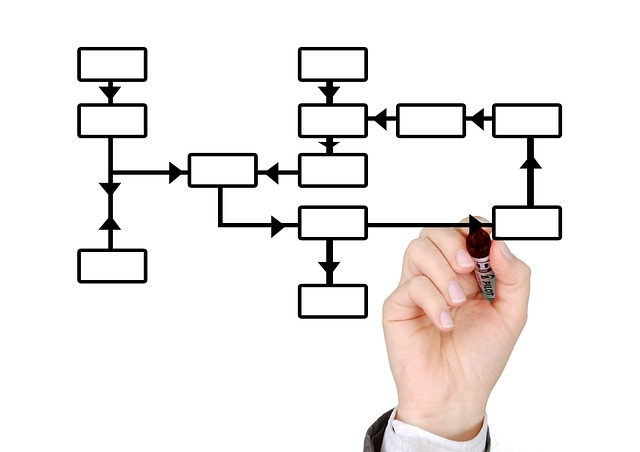
Integrating Lean Management Principles into daily operations involves a systematic approach that begins with foundational practices like 5S training. This Japanese method promotes workplace organization by teaching employees to Sort, Set in Order, Shine (clean), Standardize, and Sustain. By implementing 5S, organizations establish a culture of continuous improvement where every employee is responsible for streamlining processes and eliminating waste.
Lean management further refines this process through standardization, focusing on optimizing each step within workflows. This involves documenting and analyzing existing processes to identify inefficiencies and make data-driven adjustments. When combined with regular 5S audits, these practices create an environment where workplace organization becomes second nature, fostering a culture of efficiency that drives continuous improvement and enhances overall productivity.
The Role of Process Standardization in Continuous Improvement

Process standardization is a cornerstone of any systematic efficiency approach, like lean management and 5S training, which focus on workplace organization. By defining clear, consistent procedures for tasks and operations, organizations can eliminate waste, reduce errors, and enhance overall productivity. This involves standardizing everything from how inventory is managed to how work is assigned and completed.
With process standardization, employees have a shared understanding of expectations and responsibilities, fostering a culture of continuous improvement. This allows for easier training and onboarding of new staff since established protocols serve as the foundation. Moreover, standardized processes enable data-driven decisions by providing measurable metrics against which performance can be evaluated, facilitating ongoing optimization and ensuring consistent quality outcomes.
Implementing 5S Training: Strategies for Long-Term Efficiency

Implementing 5S Training is a strategic move towards achieving long-term efficiency in any workplace. This lean management approach, rooted in Japanese manufacturing practices, involves systematically organizing and standardizing work spaces to eliminate waste and enhance productivity. By teaching employees the principles of Sort, Set in Order, Shine (clean), Standardize, and Sustain, organizations can foster a culture of continuous improvement.
The 5S training process begins with sorting through items in the workplace, discarding unnecessary ones to reduce clutter. Setting things in order involves creating designated areas for specific tools or tasks, making workflows more predictable and efficient. Shining includes cleaning and maintaining the workspace to ensure visual clarity and prevent the accumulation of dirt or debris. Standardization takes it a step further by establishing clear procedures for each task, ensuring consistency across shifts and teams. Finally, sustaining these practices requires regular audits and continuous reinforcement to keep the workplace organized and efficient.