
5S training, a lean management philosophy from Japanese manufacturing, optimizes workplaces through Sort, Set in Order, Shine (Clean), Standardize, and Sustain principles. Implementation yields 20% efficiency increase, 15% defect reduction, and 18% higher employee satisfaction within six months. Regular audits maintain standardization, foster continuous learning, and ensure sustained operational excellence. Key practical steps include integrating 5S training into onboarding, setting clear metrics, and fostering open communication for data-driven adjustments. Embrace 5S continuous improvement for enhanced productivity, waste reduction, and agility.
In today’s competitive business landscape, optimizing workplace operations is a strategic imperative for any organization aiming to gain a significant edge. Inefficiencies within work environments not only hinder productivity but also contribute to increased costs and decreased employee morale. To address these challenges, organizations are increasingly turning to proven techniques such as 5S training and lean management principles. This article delves into the transformative power of integrating 5S continuous improvement methodologies with process standardization, offering a roadmap for achieving unparalleled workplace organization and efficiency.
- Understanding the Foundation: Workplace Organization 5S Basics
- Implementing Lean Management: Streamlining Processes for Efficiency
- Training for Continuous Improvement: The Power of 5S Training
- Standardization and Beyond: Sustaining Optimal Workspaces Naturally
Understanding the Foundation: Workplace Organization 5S Basics

Workplace optimization begins with a solid foundation in organization and efficiency. One powerful technique proven effective across industries is 5S—a lean management philosophy rooted in Japanese manufacturing. This method transforms workplaces by promoting order, ensuring everything has its place, and streamlining operations for enhanced productivity. The core of 5S lies in five guiding principles: Sort, Set in Order, Shine (Clean), Standardize, and Sustain.
Implementing 5S training involves a systematic approach. For instance, the ‘Sort’ step encourages removing unnecessary items to minimize clutter and improve workflow. After sorting, ‘Set in Order’ involves arranging essential tools and materials logically. ‘Shine’ emphasizes regular cleaning to maintain a visually appealing environment, reducing dust and improving safety. ‘Standardize’ calls for establishing consistent procedures and placing documentation within easy access. Finally, ‘Sustain’ ensures these practices become part of the workplace culture through continuous improvement initiatives driven by 5S training.
Data from companies adopting 5S reveals significant benefits. A study tracking implementation found an average increase of 20% in operational efficiency and a 15% reduction in defects over six months. Moreover, employee satisfaction ratings climbed by 18%, highlighting the positive impact on work environment and morale. These results underscore the power of 5S training as a cornerstone for achieving lean management and workplace organization. By embracing 5S continuous improvement practices, organizations can naturally cultivate a culture of order, quality, and sustained productivity.
Implementing Lean Management: Streamlining Processes for Efficiency
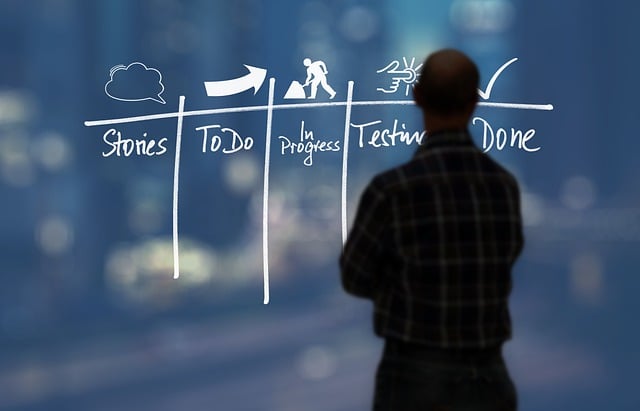
Lean Management represents a powerful strategy for optimizing workplace efficiency through streamlined processes. This approach, deeply rooted in Japanese manufacturing principles, centers on eliminating waste, enhancing productivity, and fostering a culture of continuous improvement. At its core, Lean involves implementing the 5S training methodology—Sort, Set in Order, Shine (Clean), Standardize, and Sustain—to achieve meticulous workplace organization. Each step meticulously guides employees in organizing their work areas, identifying and eliminating non-value-added activities, and establishing standardized processes that promote efficiency and quality.
For instance, a manufacturing plant might employ 5S to transform a cluttered assembly line into a structured workspace. By sorting through tools and parts, discarding unnecessary items, and setting everything in order, workers gain improved visibility and accessibility. The Shine (Clean) phase ensures regular maintenance and cleanliness, reducing downtime for equipment repairs. Standardization, achieved through detailed process documentation, allows new hires to quickly learn and follow established procedures, minimizing errors and enhancing overall productivity. This systematic approach not only enhances workflow efficiency but also empowers employees by providing a clear framework for continuous improvement initiatives.
Beyond 5S, Lean Management advocates for process standardization and continuous improvement. Organizations conduct regular reviews to identify inefficiencies, implement changes, and measure progress using key performance indicators (KPIs). Data-driven insights enable leaders to make informed decisions, prioritize improvements, and track the impact of optimizations. This data-centric approach ensures that workplace organization becomes a dynamic, evolving process rather than a static solution. By embracing Lean principles, businesses can achieve significant gains in productivity, quality, and overall operational excellence.
Training for Continuous Improvement: The Power of 5S Training
The concept of continuous improvement is a cornerstone of lean management principles, fostering an environment where organizations strive for efficiency and excellence. Among various techniques, 5S training stands out as a powerful tool to transform workplaces. This method, rooted in Japanese industrial practices, offers a systematic approach to workplace organization and process standardization. By adopting the 5S methodology—Sort, Set in Order, Shine (Clean), Standardize, and Sustain—businesses can achieve remarkable results, enhancing productivity, reducing waste, and creating safer, more efficient work environments.
At its core, 5S training involves a structured process of sorting through workspace items, eliminating unnecessary elements, organizing the remaining tools and equipment logically, cleaning to maintain an aesthetically pleasing and sanitary space, standardizing processes to ensure consistency, and continually sustaining these improvements through regular audits and employee engagement. For instance, a manufacturing facility implementing 5S might begin by sorting through tools, discarding those not in use and relocating frequently accessed items closer to workers. This initial ‘Sort’ phase sets the stage for subsequent steps, such as creating designated storage areas (‘Set in Order’) and establishing cleaning protocols (‘Shine’). Over time, standard operating procedures are documented and shared among employees (‘Standardize’), fostering a culture of sustained improvement.
The benefits of 5S training extend far beyond immediate workspace enhancements. By promoting a disciplined approach to organization and process optimization, it empowers employees to take ownership of their roles, identify inefficiencies, and propose improvements. Data from case studies shows that organizations adopting 5S training can experience significant gains in productivity, with some reporting up to 30% increases in output rates. Moreover, improved workplace organization translates into enhanced safety, reduced downtime, and better inventory management, contributing to overall operational excellence. Incorporating regular 5S audits ensures processes remain standardized and encourages continuous learning and adaptation within the workforce.
Standardization and Beyond: Sustaining Optimal Workspaces Naturally

Workplace optimization techniques have evolved far beyond initial forays into process standardization. To sustain optimal workspaces naturally, organizations must transcend traditional methods and embrace a more holistic approach, one that leverages powerful tools like 5S training and lean management principles. The 5S method—Sort, Set in Order, Shine (Clean), Standardize, Sustain—has been a cornerstone of workplace organization for decades. However, simply implementing these practices is no longer enough; continuous improvement must become an ingrained culture. This involves not just maintaining order but fostering a dynamic environment where teams constantly refine and optimize their processes, minimizing waste, and maximizing efficiency.
For instance, a manufacturing plant that employs 5S principles can see significant gains over time. Initial sorting efforts may reveal a labyrinthine tangle of unused equipment and clutter. Systematic cleanup and categorization not only improve accessibility but also offer insights into underutilized resources. Through standardization, the workspace becomes predictable, allowing for quicker setup times and enhanced productivity. However, true sustenance comes from continuous improvement. Regular 5S audits, coupled with lean management techniques, encourage teams to identify inefficiencies and make data-driven adjustments. This natural evolution ensures that as the business grows or market demands shift, the workspace remains optimized without succumbing to chaos.
Actionable advice for implementing this approach includes integrating 5S training into new hire onboarding and conducting periodic workshops to refresh knowledge. Establishing clear metrics for workplace organization, such as inventory turnover rates or task completion times, enables teams to measure progress and drive further improvements. Additionally, fostering a culture of open communication encourages employees to suggest modifications, ensuring that optimization remains a collaborative effort. By embracing 5S continuous improvement, organizations can sustain optimal workspaces naturally, enhancing productivity, reducing waste, and fostering a more agile and responsive work environment.