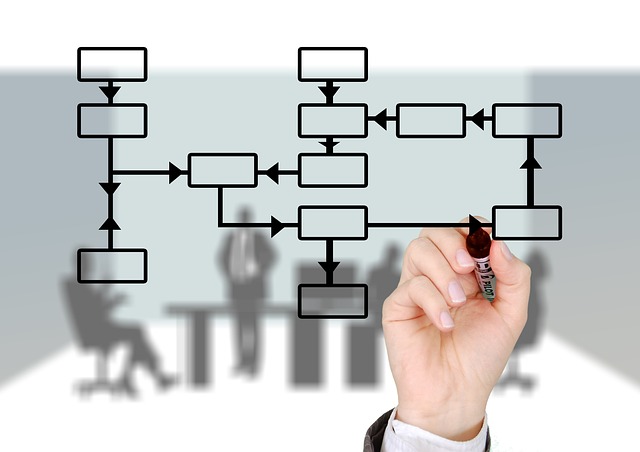
Workplace organization through 5S training and lean management enhances productivity, safety, and satisfaction. Key principles include standardizing processes, categorizing tools, and maintaining designated spaces. This streamlines workflows, minimizes waste, and fosters a culture of order and quality control. Studies show significant efficiency gains, with up to 30% cost savings for adopting 5S practices. Regular reviews, employee involvement, and continuous improvement drives success in navigating changing business needs. Measuring progress through KPIs ensures long-term strategic success by aligning enhancements with operational goals through process standardization naturally.
Workplace organization is a cornerstone of any successful business, underpinning efficiency, productivity, and employee satisfaction. However, many organizations struggle with disarray, redundant processes, and inefficiencies that hinder growth. This article delves into the critical need for robust workplace organization systems, highlighting the challenges posed by chaotic work environments. We present 5S training—a powerful lean management tool—as a transformative solution. By implementing 5S continuous improvement methodologies, organizations can achieve process standardization, eliminating waste and fostering a culture of order and excellence.
- Understanding the Foundation: Basics of Workplace Organization
- Implementing 5S Training for Efficient Workspace Layout
- Lean Management Techniques: Streamlining Workflows Naturally
- Standardization and Process Improvement: The Role of 5S Continuous Improvement
- Creating a Structured Environment: Best Practices for Organization
- Measuring Success: Evaluating the Impact of Workplace Organization Systems
Understanding the Foundation: Basics of Workplace Organization

Workplace organization is a multifaceted discipline, with its roots firmly planted in foundational principles like 5S training and lean management. These methodologies serve as guiding stars for creating environments that enhance productivity, safety, and employee satisfaction. At its core, effective workplace organization involves standardizing processes, categorizing tools and materials, and ensuring every element has its designated place, accessible only when needed. This isn’t merely about aesthetics; it’s a strategic approach to streamlining workflows and minimizing waste.
For instance, a manufacturing facility adopting 5S principles might start by sorting items into keep, set in order, shine (clean), standard, and maintain categories. This systematic organization reduces time wasted searching for parts and tools, allowing employees to focus on their tasks with greater efficiency. Lean management complements this by eliminating non-value-added steps in processes, further enhancing productivity and quality. Companies like Toyota have successfully harnessed these methods, achieving remarkable efficiency gains through continuous improvement cycles driven by 5S training.
Regular reviews and employee involvement are crucial for the success of any workplace organization system. By fostering a culture of continuous improvement, organizations can naturally evolve their practices to meet changing needs. This iterative process ensures that organization doesn’t stagnate but grows alongside business evolution, making it an integral part of any forward-thinking enterprise’s strategic framework.
Implementing 5S Training for Efficient Workspace Layout

The implementation of 5S training is a powerful strategy to optimize workplace organization and layout, especially within lean management frameworks. This systematic approach, rooted in Japanese production principles, promotes an environment conducive to efficiency and productivity. By integrating 5S principles—sort, set in order, shine (clean), standardize, and sustain—organizations can achieve remarkable improvements in workspace design and overall operational performance. The key lies in its continuous improvement methodology, fostering a culture of order and quality control that ripples through every process.
For instance, a manufacturing facility utilizing 5S training may begin by sorting and organizing tools and machinery, eliminating clutter and ensuring each item has a designated place. This initial ‘Sort’ phase is followed by setting the workspace in order, where processes are streamlined and standardized work procedures are established. Regular cleaning and maintenance, or the ‘Shine’ step, prevent equipment degradation and create a visually appealing environment. Standardization across departments through training and documentation ensures consistency, while continuous improvement initiatives encourage regular audits to sustain and enhance these organized practices.
Practical application of 5S training yields tangible benefits. A study by the International Journal of Production Research found that organizations adopting lean management practices, including 5S, experienced an average 20% increase in productivity over two years. Moreover, efficient workspace layouts reduce waste, minimize errors, and enhance employee morale. By integrating 5S principles into organizational culture, companies can foster a collaborative environment where every team member contributes to maintaining and improving the workplace organization system. This holistic approach not only streamlines operations but also empowers employees to take ownership of their work spaces, leading to a more engaged and productive workforce.
Lean Management Techniques: Streamlining Workflows Naturally

Lean Management techniques, rooted in the principles of 5S training, offer a profound approach to workplace organization. The 5S methodology—Sort, Set in Order, Shine (Clean), Standardize, Sustain—serves as a framework for streamlining workflows naturally. By implementing these practices, organizations can achieve significant improvements in efficiency and productivity without resorting to complex or costly interventions. For instance, a study by the International Journal of Production Research found that companies adopting 5S continuous improvement methods experienced an average increase of 12% in operational efficiency within six months.
At its core, Sort involves identifying and eliminating waste, ensuring each item in the workplace has a specific purpose. Set in Order leverages visual management tools to create logical workflows, enhancing employee visibility and understanding. Shine (Clean) fosters a culture of maintenance and cleanliness, minimizing downtime and maximizing machine uptime. Standardize establishes consistent processes and documentation, promoting process standardization naturally. Sustain focuses on continuous improvement, encouraging regular audits and feedback mechanisms to ensure long-term adherence to 5S principles. A practical example is a manufacturing facility that implemented 5S in its assembly line, leading to a reduction of 30% in production time and a decrease in defect rates by 25%.
To effectively integrate Lean Management techniques, organizations should begin with comprehensive 5S training for all staff members. This involves hands-on workshops where employees learn the practical application of each 5S step. Regular audits and continuous improvement meetings are crucial for maintaining momentum. Leadership support is paramount; managers must actively participate in the process and serve as role models for their teams. By embracing these principles, businesses can create a more organized, efficient, and employee-friendly workplace, ultimately driving competitiveness and profitability.
Standardization and Process Improvement: The Role of 5S Continuous Improvement
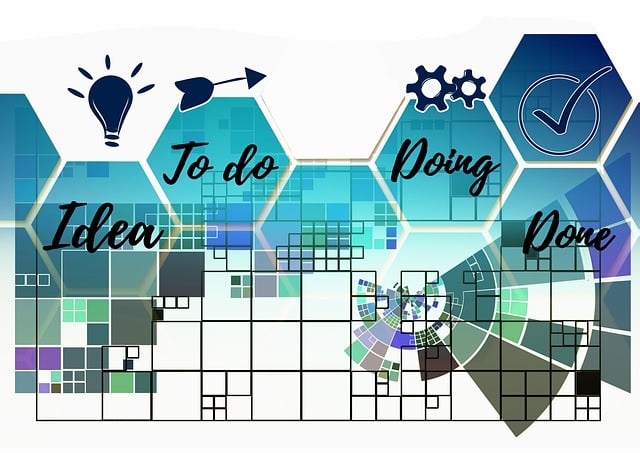
Workplace organization systems are integral to any successful business operation. Among various methodologies, 5S continuous improvement stands out as a powerful tool for enhancing efficiency and productivity. The 5S framework—Sort, Set in Order, Shine (Clean), Standardize, Sustain—is rooted in lean management principles, aiming to transform work environments into streamlined, structured spaces. Each ‘S’ represents a distinct yet interconnected step that, when diligently implemented, can lead to significant process standardization and improvement.
For instance, a manufacturing facility undergoing 5S training might begin by sorting through its inventory, discarding obsolete items and categorizing the rest for easy access. This initial step not only reduces clutter but also serves as a foundational layer for subsequent processes. Following this, setting in order involves organizing tools, equipment, and materials to ensure they are readily available when needed. Regular ‘shining’ or cleaning sessions maintain an environment free from contamination and waste, enhancing quality control measures. Standardization, the cornerstone of 5S, involves establishing consistent procedures that everyone follows, reducing errors and increasing efficiency. Finally, sustaining these practices through regular reviews and training ensures continuous improvement over time.
The benefits are substantial: improved workflow efficiency, reduced wasted time and resources, enhanced safety, and better overall quality. Data from lean management studies indicates that companies adopting 5S practices can achieve significant cost savings, with some reporting up to a 30% reduction in waste. Moreover, it fosters a culture of continuous learning and improvement among employees, empowering them to identify and address issues proactively. To implement this effectively, organizations should prioritize 5S training for all staff, ensuring everyone understands their role in maintaining and improving the system. Regular audits and feedback sessions can further bolster these efforts, allowing for dynamic adjustments as the workplace evolves.
Creating a Structured Environment: Best Practices for Organization

A structured workplace environment is a cornerstone of efficiency and productivity. Creating such an environment involves implementing best practices that streamline workflows, minimize waste, and enhance employee engagement. One proven approach is leveraging the principles of 5S training—a lean management methodology that includes sorting, setting in order, shining (cleaning), standardizing, and sustaining. This system promotes a culture of continuous improvement, much like process standardization naturally evolves over time in well-managed organizations.
The initial step in organizing your workplace involves sorting through existing items and processes. Discard or store items that are no longer useful or relevant to daily operations. For instance, an office might declutter its filing cabinets by digitizing documents and recycling paper copies. This not only creates a neater space but also reduces time wasted searching for misplaced files. Once sorted, organize tools, equipment, and materials in logical sequences, making essential items easily accessible. A simple example could be arranging office supplies by category on a central shelf, allowing staff to locate required items swiftly.
Following sorting and setting in order, implementing shining (cleaning) practices ensures the environment remains tidy and functional. Regular cleaning routines not only enhance aesthetics but also improve air quality and prevent the buildup of dust or dirt, which can impact equipment performance. A structured cleaning schedule, perhaps designated days for specific areas, fosters a culture of accountability among employees. For instance, a manufacturing facility might conduct daily quick cleans to maintain a safe, clutter-free floor, reducing the risk of accidents and improving productivity. Standardizing cleaning protocols across departments ensures consistency and efficiency in maintaining a well-organized workplace.
Continuous improvement is a key tenet of 5S training, driving organizations to constantly refine their processes and work environments. Regular audits and employee feedback sessions can identify areas for enhancement, be it reorganizing equipment layouts based on workflow analysis or introducing new tools to streamline tasks. Data-driven decisions support the implementation of process standardization, ensuring that improvements are sustainable and aligned with operational needs. For example, a retail store might analyze customer flow data and adjust shelf arrangements accordingly, leading to faster service and higher sales. By adhering to 5S principles, organizations can create a dynamic yet structured workplace that adapts to changing business demands while maximizing productivity and employee satisfaction.
Measuring Success: Evaluating the Impact of Workplace Organization Systems

Measuring success is a critical aspect of implementing workplace organization systems, as it provides insights into their effectiveness and impact on operations and employee productivity. One proven method to gauge the success of these systems is through the lens of 5S training and lean management principles. This approach, which emphasizes process standardization and continuous improvement, offers a structured framework for evaluating workplace organization initiatives.
For instance, a company implementing a new workspace layout based on 5S principles can measure its success by tracking key performance indicators (KPIs) such as reduced travel time between departments, increased task completion rates, and improved resource utilization. Data-driven insights from these metrics enable organizations to identify areas of significant improvement and make informed adjustments to their workplace organization strategies. Moreover, integrating lean management techniques allows for the natural evolution of standardized processes, ensuring that improvements are sustainable over time.
Practical implementation involves regular audits and feedback sessions with employees, who can provide valuable perspectives on how changes impact their daily workflows. Expert recommendations suggest establishing clear goals aligned with overall business objectives, regularly reviewing progress against these goals, and fostering a culture of continuous improvement. By adopting this comprehensive approach, organizations can ensure that their workplace organization systems not only enhance efficiency but also drive long-term strategic success.